Post-Pandemic Urban Outdoor Dining Spaces Case Study: City Market, Indianapolis, Indiana
Article Sidebar
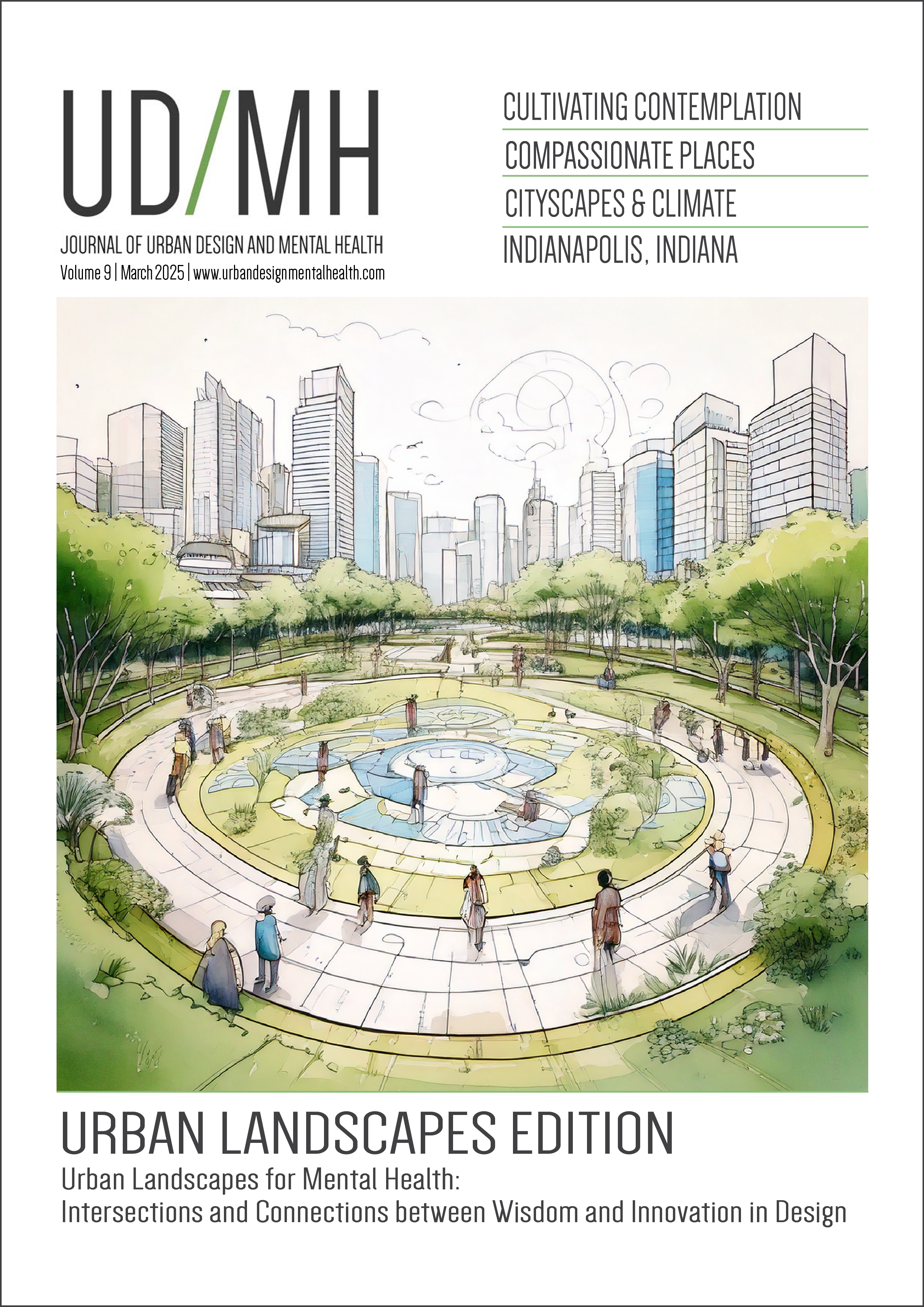
Main Article Content
Abstract
The COVID-19 pandemic brought to light the susceptibility of cities’ public urban spaces to the transmission of infectious illnesses, causing daily loss of life, economic disruption, loss of social connection, and worsened health hazards. However, interest in public outdoor dining has increased due to the significance of this dining option during the COVID-19 outbreak. As a result, eating outside in public is now an option that needs to be rethought, and repurposing urban public areas is essential to tackling future pandemics. This study synthesizes findings from research and policy responses regarding the adaptability, usage, and design of public outdoor spaces in light of the COVID-19 outbreak. It also identifies the existing settings of the areas and proposes new directions to ensure that public outdoor spaces are resilient, flexible, and adaptable to future challenges. According to the study's findings, there is a need to make a concerted effort to create a safer, more functional, and more adaptable urban design, and this will help to cultivate a public dining environment that can thrive even in the face of unforeseen problems and, more importantly, ensure that diners will be protected and have memorable dining experiences for many years to come.
Article Details

This work is licensed under a Creative Commons Attribution 4.0 International License.
Authors retain copyright and publishing rights without restrictions and grant the journal right of first publication under a Creative Commons Attribution (CC-BY) License.