Uncertainty in the Absence of Urban Design: A Right-to-the-City Analysis of Informal Spatial Justice in Zanjan’s Palestine Neighborhood
Article Sidebar
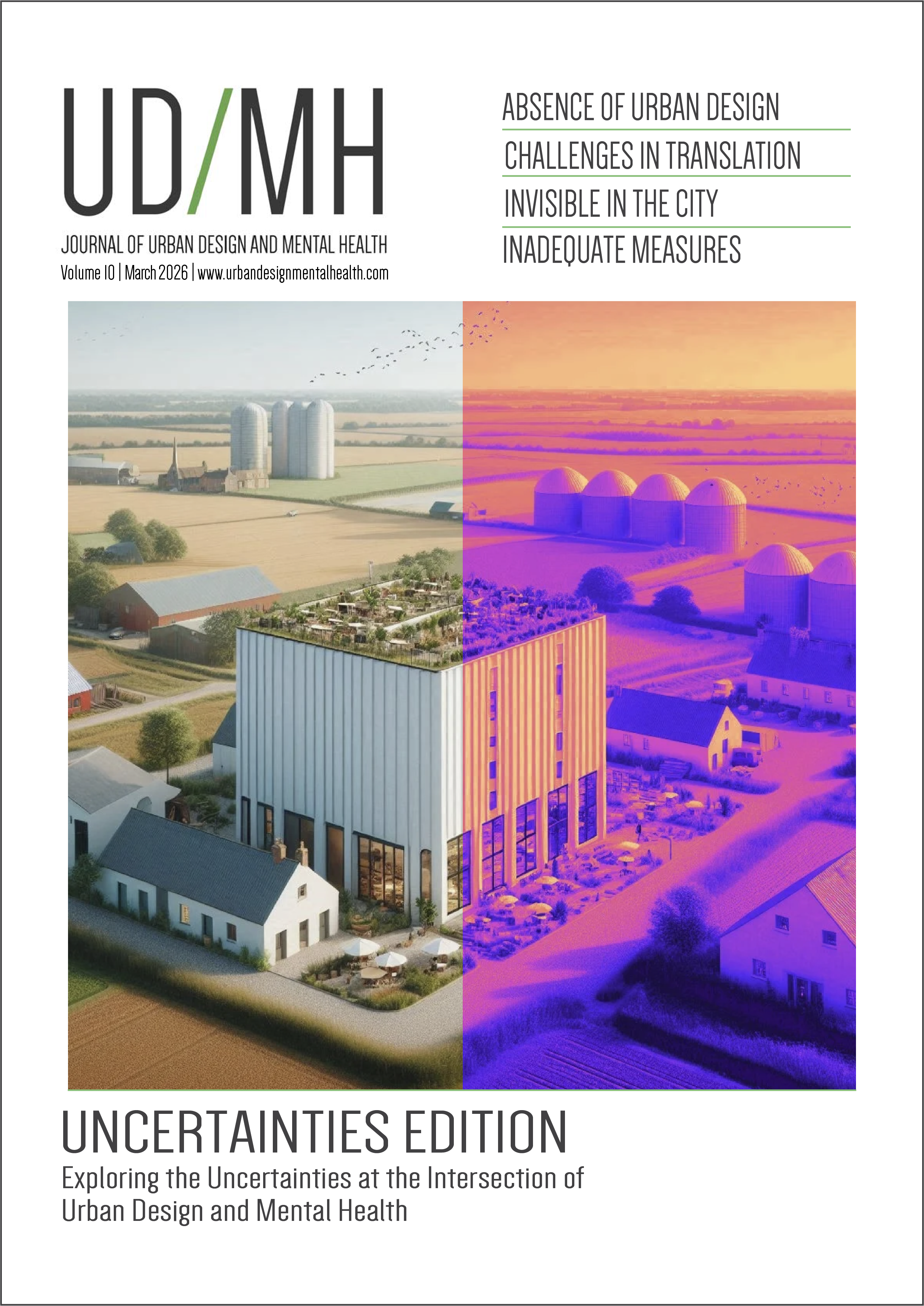
Main Article Content
Abstract
This article investigates the interplay between urban uncertainty, spatial injustice, and the absence of formal urban design in an informal neighborhood in Iran. Using Henri Lefebvre’s "Right to the City" and his spatial triad (conceived, perceived, and lived space), the study focuses on the Palestine neighborhood in Zanjan—a marginalized area shaped by exclusionary policies, infrastructural neglect, and minimal civic engagement. Employing a critical qualitative approach, including interviews, field observations, and policy document analysis, the research reveals how the lack of urban design intensifies spatial inequities and contributes to residents’ social and psychological marginalization. In the face of absence of planning data and institutional inaction, Lefebvre’s theory offers a vital epistemological lens to reinterpret urban informality and reimagine more just planning frameworks. Ultimately, the article calls for an ethical reframing of urban design that recognizes informal spatial practices as legitimate and emphasizes the political dimensions of design in contexts marked by uncertainty and marginalization.
Article Details

This work is licensed under a Creative Commons Attribution 4.0 International License.
Authors retain copyright and publishing rights without restrictions and grant the journal right of first publication under a Creative Commons Attribution (CC-BY) License.